Sports Injury Triage in Vancouver: What to Do in the First 72 Hours
Make the First 72 Hours Count After a Sports Injury
Sports injuries in Vancouver can happen fast. One second you are in a rec league soccer game at Jericho or playing volleyball at Kits Beach, and the next you feel a sharp pull in your calf or roll your ankle landing from a jump. What you do in the first 72 hours after that moment can shape how long you are off the field, court, or trail.
An acute sports injury is any sudden problem that shows up during or right after activity. Common examples are sprains, strains, muscle pulls, minor collisions, or a flare-up of an old issue. In this early window, your choices affect swelling, pain, and how well the area moves later on.
In this guide, we will walk through clear steps for ice vs. heat, rest vs. movement, and how to choose between chiropractic care, physiotherapy, or the ER for sports injury treatment in Vancouver. Our goal is to help you feel calmer and more prepared when something goes wrong, whether you are a weekend warrior, a parent on the sidelines, or a student-athlete.
At West 1st Chiropractic in Kitsilano, we focus on gentle, neurologically based care for patients of all ages. We are one part of a local health team that supports active lives across Vancouver, and we want you to know what to do right away when injury hits.
Spotting Serious Injury Red Flags
Before anything else, you need to check for signs that the injury might be serious. Some symptoms are not okay to watch and wait on, and they need quick medical help.
Red flags that mean you should go to the ER or urgent care include:
Severe or quickly worsening pain that does not ease with rest
Visible deformity, a joint or bone that looks out of place or twisted
Inability to bear any weight on the injured leg or move the joint at all
Loss of sensation, tingling, or weakness in an arm or leg
Uncontrolled bleeding or a deep cut
Head, neck, and spine issues need special care. Call 911 or go to the ER if:
There is trauma to the head, neck, or spine plus numbness, tingling, or weakness
There is loss of consciousness, confusion, vomiting, or a severe headache after a hit to the head
Neck or back pain starts after a fall, tackle, or bike crash
Some soreness, mild swelling, bruising, and stiffness can be normal after an acute sprain or strain. These often respond well to conservative care like chiropractic or physiotherapy. But if you heard a loud pop, cannot move the joint, or it will not take any weight at all, it could be a fracture or serious ligament injury that needs urgent assessment.
With kids and teens, it is usually better to have them checked early instead of asking them to tough it out. Their growing bones and joints can be more vulnerable, and early care can help protect long-term function.
Ice, Heat, and Compression in the First 72 Hours
Once you know it is not an emergency, the next question is often: do I use ice or heat? In the first 24 to 72 hours after most sprains and strains, ice is usually the safer choice.
Ice can help limit swelling and numb the area, which may ease pain. Heat is usually better a bit later, once major swelling has settled, to relax muscles and support blood flow.
Some simple guidelines:
Use ice for 10 to 15 minutes at a time, then take at least 60 minutes off
Always place a thin cloth between your skin and the ice pack
Never fall asleep with an ice pack on
Use compression with an elastic wrap that is snug, not painful
Check fingers or toes beyond the wrap; they should not look pale, blue, or feel tingly
When it makes sense, elevate the injured area above the level of your heart. This can help manage swelling in ankles, knees, wrists, and hands.
A few myths are worth clearing up. Avoid alternating hot and cold right away on a fresh, swollen injury unless a health professional has advised it. Also skip hot baths or heating pads in the first day or two if the area is very swollen, hot, or visibly inflamed, since extra heat can make swelling worse.
For active people in Vancouver, it can help to keep a small “sideline kit” nearby. A reusable ice pack, elastic bandage, and simple, pain-free support brace can make early care easier after a game, hike, or ride.
Rest or Move It: Finding a Safe Balance
After an injury, many people either do too much or shut things down completely. The best path is usually in the middle.
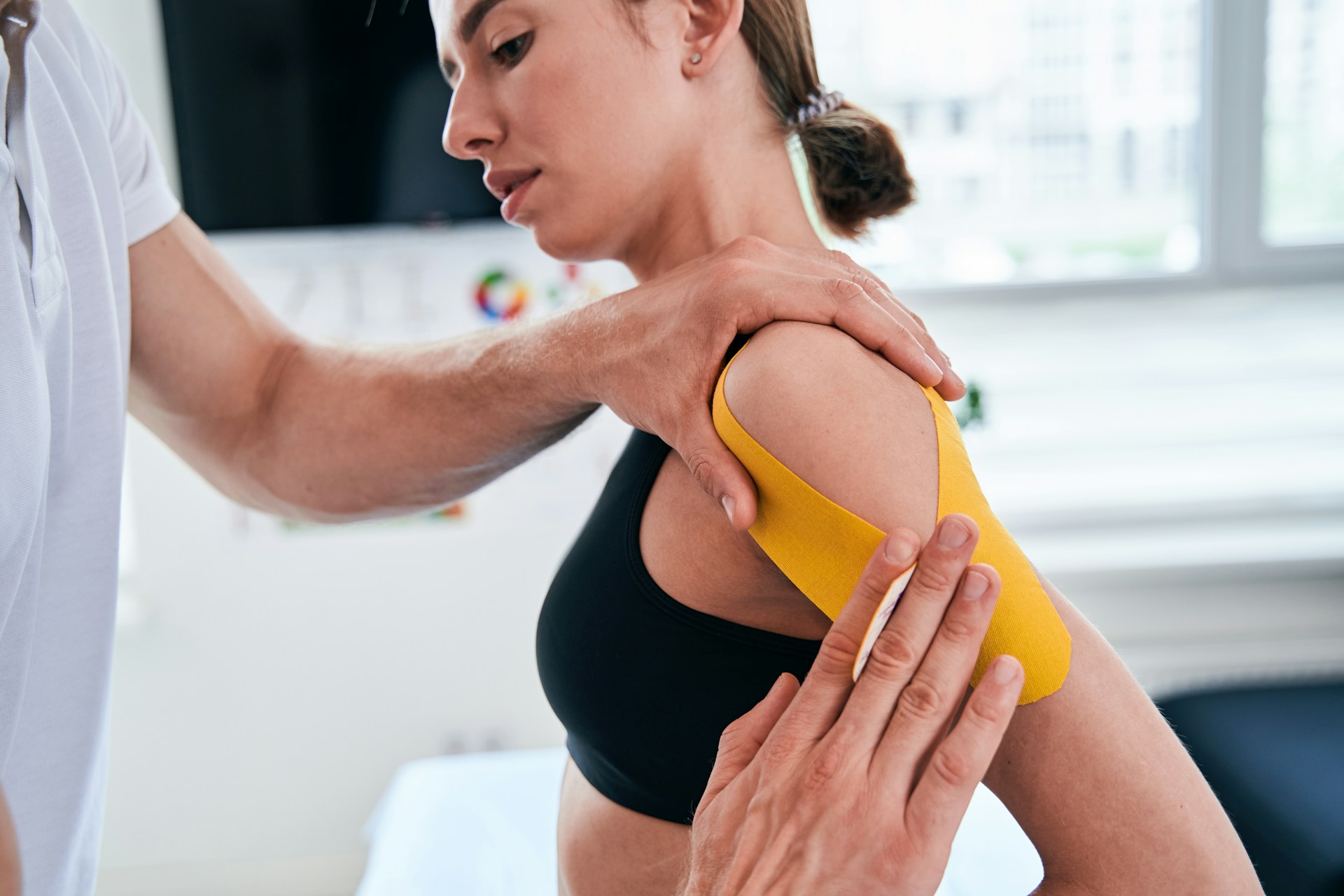
There is a place for protective rest. In the first 24 to 48 hours, you want to protect the injured tissue from more stress. That might mean using crutches, a brace, or taping, and avoiding moves that clearly make things worse.
But staying totally still for too long can lead to stiffness, weakness, and slower healing. Instead, aim for “relative rest,” which means changing, not stopping, your activity.
For example:
A runner with an ankle sprain may focus on upper body and core work for a short time
A swimmer with shoulder pain may do lower-body conditioning and gentle mobility work
A rec hockey player with a low back strain may shift to walking and light stretching in the short term
In the first 72 hours and just after, early movement should follow a few rules:
Start with pain-free or very low-pain motion only
Stop if you feel sharp, stabbing, catching, or burning pain
Start with light, supported moves, like ankle pumps, gentle knee bends, or small shoulder pendulums
A chiropractor or physiotherapist can help you know which movements are safe, which ones to skip, and when to move from easy walking and mobility into strength work, drills, and full return to your sport.
Chiro, Physio, or ER: Choosing the Right Help in Vancouver
When you are sore and worried, it can be hard to know who to see first. A simple way to think about it is: emergency care first for serious injuries, then conservative care for most sprains, strains, and back or neck pain.
The ER or urgent care is the right choice when you suspect:
Fracture or dislocation
Concussion or serious head injury
Severe or escalating neck or back pain after trauma
Inability to move or feel a limb
Large cuts or major wounds
These settings can give imaging, acute pain control, and medical or surgical treatment if needed.
For non-emergency sports injuries, conservative care is often your next step. Chiropractors are a strong option for spinal and joint injuries, back and neck pain, nerve-related symptoms like sciatica, and recurring issues linked with posture, movement patterns, and the nervous system. At West 1st Chiropractic, our neurologically based approach looks not only at the sore spot, but at how the brain, spine, and nerves are working together.
Physiotherapists are often a key part of rehab for muscles, tendons, and ligaments. They can help guide exercise progressions and sport-specific strengthening, and are commonly involved after surgery or once a fracture has been cleared by a doctor.
A simple guide:
If it feels like an emergency, go to the ER or urgent care
If it feels like a sprain, strain, back or neck pain, or recurring overuse problem, book with a chiropractor or physio within 24 to 72 hours
If you are unsure, start with a trusted conservative provider who can assess you and suggest co-management, imaging, or medical follow-up if needed
In a city full of runners, cyclists, skiers, and field sport players, many people find it helpful to build a small care team that includes both chiropractic and physiotherapy so they can return to activity safely and with confidence.
Taking Action After a Sports Injury
When a sports injury happens, it is easy to panic or ignore it and hope it fades. A better plan in those first 72 hours is to:
Check quickly for red flags and get emergency care if needed
Use ice, compression, and elevation wisely to help swelling and pain
Protect the area without locking it down longer than needed
Start gentle, pain-free movement when it is safe
Arrange an expert assessment early, not weeks later
Thinking ahead can make a big difference. Knowing where your closest ER is, which chiropractor or physio you trust, and what basic supplies you keep in your sports bag can shorten downtime in busy sport seasons.
At West 1st Chiropractic in Kitsilano, we work with active families, weekend athletes, and students who want to get back to what they love, from hiking the North Shore to ultimate in the park to chasing kids along the seawall. With a careful, neurologically based approach, we build personalized plans that respect your goals, your sport, and your long-term health.
Take The Next Step Toward Pain-Free Performance
If pain or limited mobility is keeping you off the field, our team at West 1st Chiropractic is ready to help you get back to the activities you love safely and confidently. Learn how our tailored approach to sports injury treatment in Vancouver can address the root cause of your discomfort and support your long-term performance. Reach out today to ask questions or book an appointment through our contact page so we can start building a plan that fits your goals.