
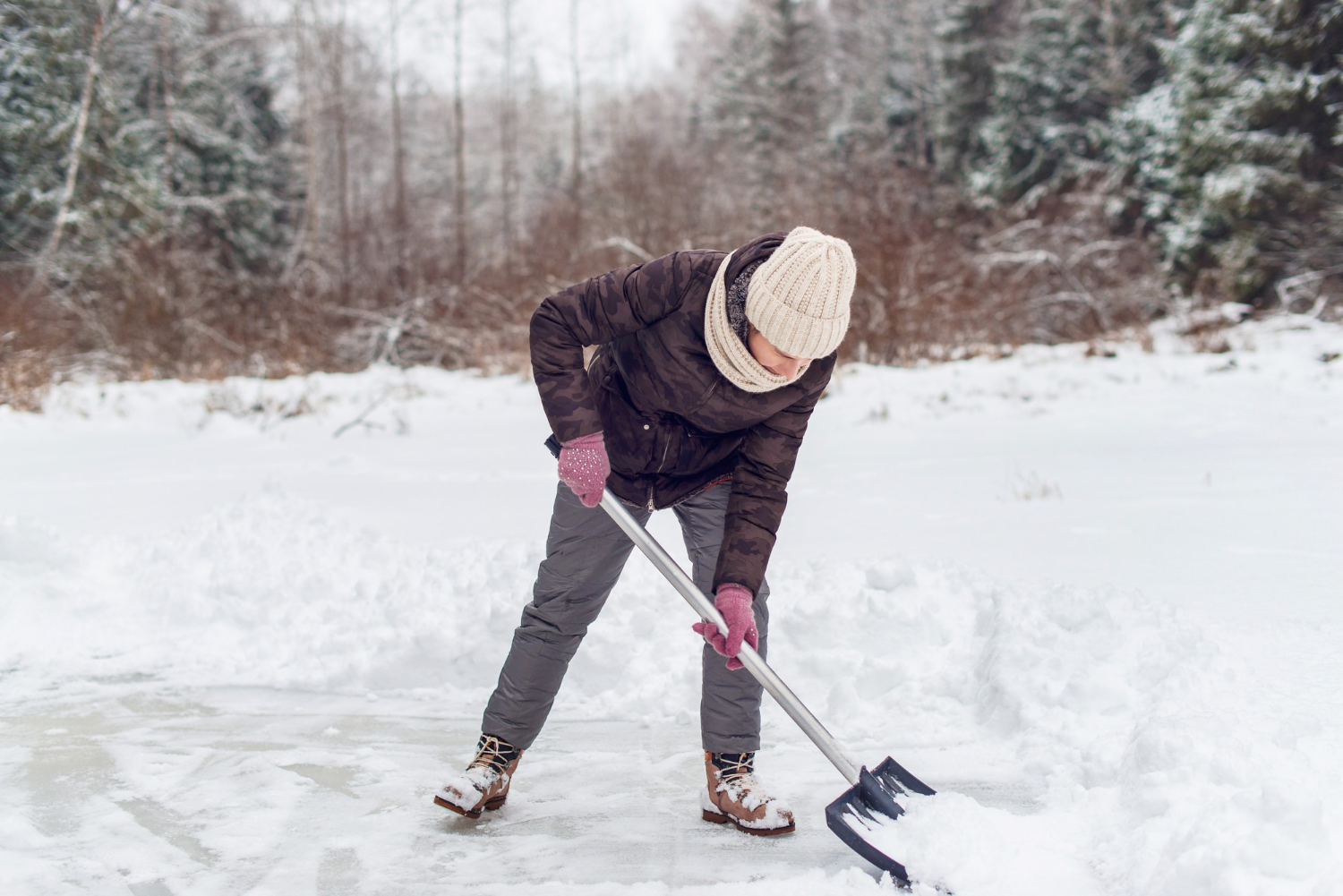
Snow Shoveling Back Pain: Prevention and Chiropractic Care
Wet, compacted snow can put a surprising amount of strain on your low back. A few rushed lifts, especially with a full shovel held away from your body, may be enough to leave you sore or struggling to straighten up.
We often hear about back pain from shovelling snow in Vancouver because coastal snow can be dense and heavy. Some muscle soreness after an unfamiliar activity can be normal, but sharp, radiating, or worsening pain deserves attention. Safer lifting, steady pacing, and knowing when to stop can help you protect your back.
Protect Your Back Before the First Heavy Shovelful
Shovelling is not just an arm workout. Your legs, hips, core, shoulders, and low back all work together with every push, lift, and throw. Trouble often starts when the snow is heavy, the shovel is overloaded, or you try to finish the whole area before taking a break.
Before you begin, give yourself a moment to look at the job ahead. Deep or packed snow may need to be cleared in smaller layers rather than lifted all at once. This approach can make the work feel more manageable and may help you keep better control of your movements.
Pain is your body’s signal to pay attention. Mild stiffness that settles with rest may be different from pain that catches suddenly, shoots into your buttock or leg, or makes ordinary movements difficult. If your body is telling you to slow down, it is better to listen than to push through.
Set up a Safer Shovelling Routine
The right shovel can make a noticeable difference. A lightweight shovel with a handle that suits your height may be easier to control than a heavy shovel with a large blade. Although a wide blade can seem efficient, it can also encourage you to take on more snow than your back can comfortably handle.
Whenever possible, push snow instead of lifting and throwing it. Pushing lets you move snow in smaller amounts and may reduce the repeated lifting that can irritate a sore back. When lifting is unavoidable, keep each load light, especially when the snow is wet.
A little preparation also matters. We recommend:
Wearing boots or shoes with reliable traction
Clearing snow in smaller sections instead of tackling a large area at once
Doing a few gentle movements before starting, rather than beginning with forceful lifting
Keeping your path clear so you are less likely to slip while carrying snow
Try not to treat shovelling as a race. Starting at a controlled pace gives your muscles time to warm up and helps you notice fatigue before your form starts to change.
Lift Less, Pace Better, and Avoid Sudden Twists
When you need to lift snow, begin by bending through your knees and hips instead of folding forward through your low back. Keep the loaded shovel close to your body, gently brace your core, and use your legs to rise. The farther a heavy shovel is from your body, the more your back may have to work to control it.
Turning is another common problem. Rather than twisting through your low back while holding a loaded shovel, face the direction where you plan to place the snow. Step with your feet to turn your whole body. It may take a few extra seconds, but it can be a kinder way to move.
Pacing is just as important as technique. Consider these reminders while you work:
Use smaller shovel loads, even if it means making more trips
Take short breaks before you feel exhausted
Switch tasks or change positions when one area begins to feel tight
Stop if fatigue is affecting your posture, balance, or control
Back pain from shovelling snow in Vancouver is more likely when people try to clear a large area too quickly. A controlled pace can help you avoid the urge to lift too much or make a sudden twisting movement.
Recognize Pain Signals That Need Timely Care
A sore back may improve as your body recovers from an activity it is not used to. Still, pain should not be ignored when it limits your normal movement, keeps returning after shovelling, or affects sleep, work, walking, or daily tasks. In those situations, a chiropractic assessment may be appropriate to better understand what is contributing to the concern.
Stop shovelling if pain becomes sharp, travels into your leg, causes tingling or numbness, or changes the way you walk. Continuing to work through these signals can make it harder to move comfortably and may further aggravate the area.
Some symptoms need urgent medical attention rather than waiting for a chiropractic visit. Seek prompt medical care for:
Severe or worsening weakness
Numbness around the groin or saddle area
Loss of bladder or bowel control
Fever along with back pain
Back pain after a significant fall or injury
If you are unsure whether your symptoms are serious, it is reasonable to seek medical guidance. Your safety comes before finishing the driveway or walkway.
Know What Happens During Your First Visit
When you visit us with back pain after shovelling, we begin by listening. Dr. Randall Trester may ask about your symptoms, health history, daily activities, and the movement or event that brought the pain on. Details such as whether you felt pain during a lift, after twisting, or later that day can help build a clearer picture of your concern.
Your assessment may include looking at mobility, posture, nervous system function, and other factors related to your individual condition. We take a personalized approach because two people can have similar pain in different places for different reasons.
Care recommendations are based on your findings, needs, and goals. Our gentle, nervous system-based approach includes Torque Release Technique, which Dr. Trester may consider as part of your care plan when appropriate. We want you to understand what is being assessed and why, so you can make informed decisions about your care.
Take the Next Step Toward Comfortable Movement
Rest can be helpful after overdoing it, but recurring back pain is worth taking seriously rather than repeatedly aggravating the same area. Reducing the load, lifting with control, stepping instead of twisting, and taking breaks before fatigue sets in can make future shovelling easier on your back.
If pain persists, returns with similar activity, or interferes with everyday movement, an assessment can help you better understand what your body needs. Stopping early when pain changes is often a wiser choice than trying to finish one more section of snow.
Support a More Comfortable Return to Winter Tasks
At West 1st Chiropractic, we can help you address back pain from shovelling snow in Vancouver with care tailored to your movement and health goals. Our team takes the time to understand how your symptoms affect your daily routine and develop an appropriate plan. Contact us to arrange an appointment and take a proactive step towards moving with greater comfort.