
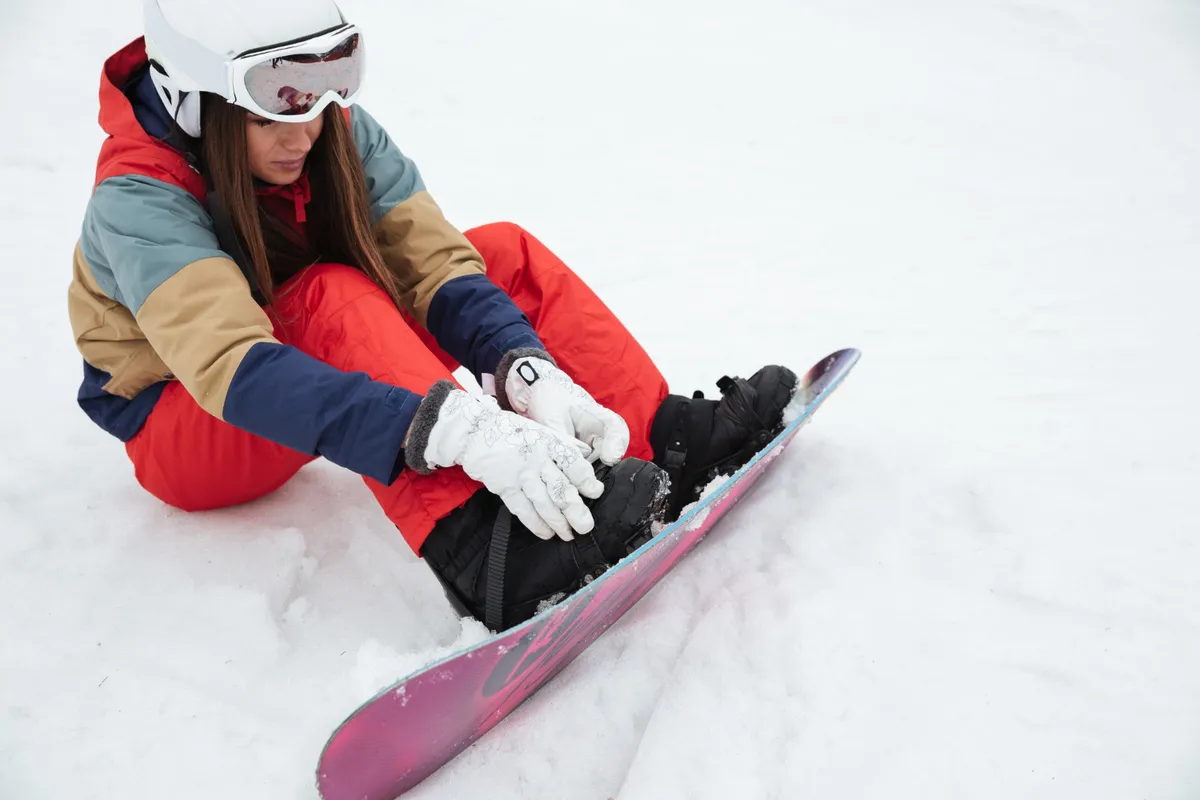
Ski Season Injury Prevention Tips for Vancouver Skiers
Build a Safer Start to Your Vancouver Ski Season
Ski season can pull Vancouver skiers toward the mountains fast, especially when the first good conditions arrive. Yet jumping back into long days of repeated turns, uneven terrain, and changing speeds can place extra stress on your joints, muscles, and nervous system.
We encourage you to prepare before your first run, not after discomfort starts. Gradual conditioning, mobility work, recovery, and attention to technique can help you feel more ready for lift lines, varied snow, and the demands of a full day on the slopes. If old injuries, stiffness, or limited movement affect your comfort, a sports injury chiropractor in Vancouver can help assess concerns before they change how you ski.
Prime Your Body with Warm-Ups and Mobility
A good warm-up does more than stretch a tight muscle. It raises body temperature and wakes up the areas that need to work together while skiing, including your hips, knees, ankles, core, upper back, and shoulders.
Before putting on your skis, we suggest making time for simple dynamic movement rather than rushing straight to the lift. Try a brief routine that includes:
Brisk walking to get your body moving
Leg swings and ankle circles
Bodyweight squats and controlled lunges
Gentle torso rotations
Easy shoulder rolls and arm movements
Skiing asks a lot from the hips and ankles, but restricted movement in one area can shift stress somewhere else. For example, limited ankle or hip motion may lead your knees or low back to work harder during turns. A stiff thoracic spine, which is the middle area of the back, may also make it harder to rotate smoothly.
Arrive early enough to move before your first run, then use a few easier runs to find your rhythm. Save steeper terrain and higher speeds until your body feels ready. When movement feels limited or uneven, we can provide personalized guidance through an assessment with a sports injury chiropractor in Vancouver.
Protect Your Back and Knees on the Slopes
Low-back discomfort is common when skiers spend hours in a bent-knee position, twist suddenly, fall, fatigue, or carry heavy equipment. A sore back may start as a minor annoyance, but ongoing or worsening pain deserves attention rather than being pushed aside for another run.
Knees also face strong rotational forces during skiing. Awkward landings, poorly controlled turns, sudden changes in direction, and terrain beyond your current ability can all contribute to strains. Knee stability is not only about the knee itself. It relies on coordinated movement and strength through the hips, thighs, ankles, and core.
A few thoughtful habits can lower unnecessary strain:
Build leg and core strength before ski days
Make sure boots, bindings, and other equipment fit properly
Take breaks before fatigue affects your form
Select terrain that matches your current conditioning and skill
Stop and reassess if pain changes the way you move
We recommend paying attention to how your body feels as the day goes on. Compensating for back or knee pain can affect your turns and place pressure on other areas. If discomfort keeps returning, becomes sharper, or makes normal movement difficult, appropriate assessment is important.
Choose Smart Habits That Reduce Injury Risk
The first outings of the season do not need to be your longest or hardest. After time away from skiing, shorter days and easier terrain can give your body space to rebuild endurance and confidence. Pacing yourself is not holding back; it is a practical way to support more consistent skiing.
Recovery matters between ski days, too. Your muscles and joints need time to settle after demanding activity, particularly if you are returning to regular skiing after a break. Staying hydrated, eating regular meals, sleeping well, and leaving room for recovery can all support how you feel on your next outing.
Warning signs are worth noticing early. Recurring stiffness, reduced range of motion, numbness, weakness, sharp pain, or discomfort that changes your skiing mechanics should not become part of your routine. For proactive support, a ski season injury prevention chiropractor Vancouver skiers trust can assess movement concerns and help identify areas that may need attention.
Get Support for More Comfortable Ski Days
Chiropractic care may be helpful for people preparing for ski season or managing musculoskeletal discomfort linked to time on the slopes. At West 1st Chiropractic, we look at the individual in front of us, including mobility, posture, movement patterns, and areas where tension or restriction may be affecting comfort.
Our approach is gentle and nervous system-based. We use Torque Release Technique, which is tailored to each person’s needs and may support mobility, comfort, and overall well-being. Skiers may benefit from understanding how their body is moving before repeated turns, long descents, or a return to more challenging terrain.
We can be a resource when you are searching for a ski season injury prevention chiropractor in Vancouver; residents can visit for individualized care. However, severe pain, significant swelling, inability to bear weight, or a suspected acute injury should be assessed through appropriate medical care.
Prepare for the Slopes with West 1st Chiropractic.
A more comfortable ski season starts with preparation. Mobility work, gradual conditioning, smart pacing, properly fitted equipment, and attention to back and knee health can all help you approach skiing with better awareness of what your body needs.
Addressing recurring discomfort or movement limits before they affect your time on the slopes may help you move with greater ease and confidence. Start gradually, respect warning signs, and give your body recovery time between demanding ski days.
Support Your Strongest Ski Season
At West 1st Chiropractic, we assess movement patterns and provide care tailored to your goals, whether you are preparing for the slopes or managing a ski-related concern. Learn how a sports injury chiropractor in Vancouver can help you support comfortable, confident movement throughout the season. When you are ready to discuss your needs, contact us to book an appointment.