
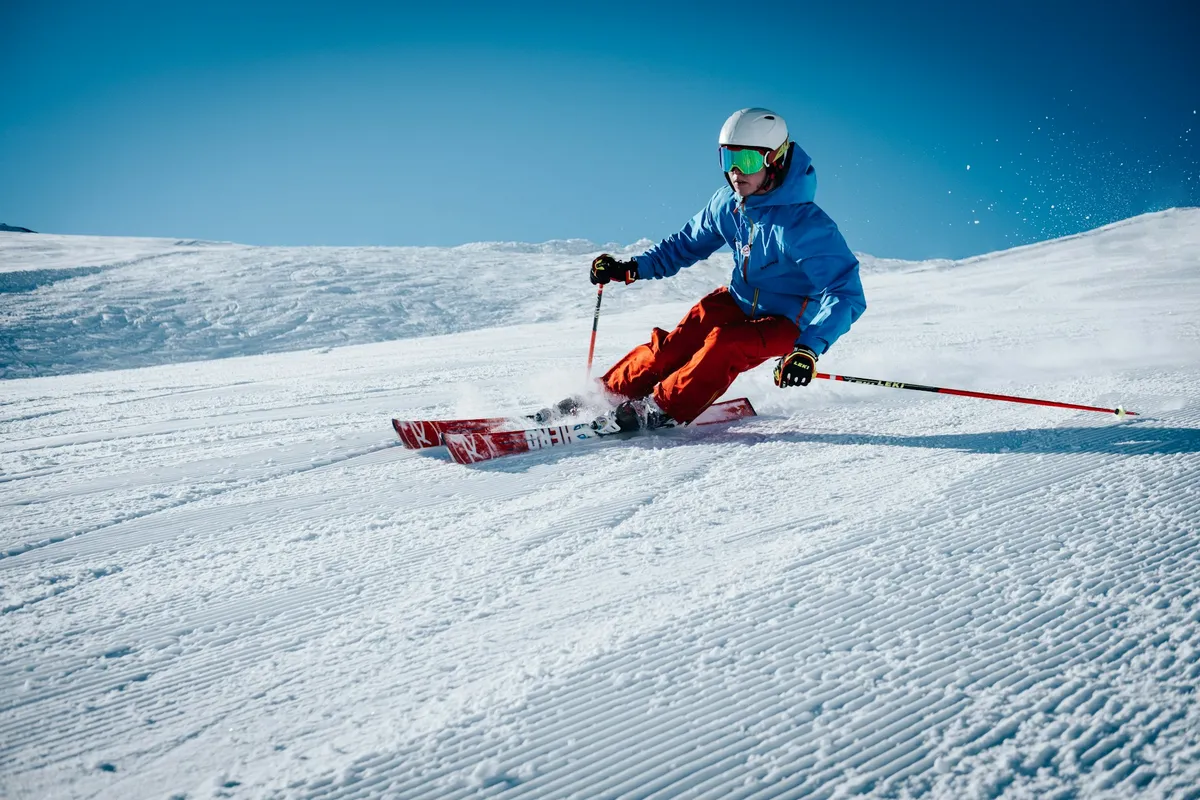
Ski Season Injury Prevention Tips for Vancouver Skiers
Start Ski Season with More Confidence and Control
A safer ski season starts before your first chairlift ride. For Vancouver skiers planning days on local mountains or weekend trips elsewhere in British Columbia, getting ready means more than waxing skis and finding your gloves. Time away from snow sports can leave your legs, hips, back, and balance less prepared for long runs, uneven terrain, and quick turns.
We encourage you to think about ski preparation as a mix of warm-ups, mobility, strength, pacing, and technique awareness. These habits may help lower the chance of common strains in the back, knees, hips, and neck. If you have ongoing discomfort, a chiropractor Vancouver skiers trust for ski season injury prevention may also help you better understand movement limits before they affect your time on the slopes.
Build Mobility and Warmth Before Every Run
Cold, stiff muscles can make it harder to react when snow conditions change or a sudden turn is needed. Rushing from the parking lot to the lift may feel tempting, but giving yourself a few minutes to move can help your body ease into the day.
Before putting on skis, we suggest choosing comfortable movements that match your current ability. The goal is not to stretch aggressively or push through pain. Instead, focus on controlled motion through areas that work hard while skiing:
Gentle hip circles and leg swings
Bodyweight squats to a comfortable depth
Ankle mobility movements
Slow torso rotations
Controlled shoulder rolls or arm circles
Your warm-up should not end after a few movements near the lodge. Start with easier runs and allow your speed, confidence, and range of motion to build gradually. A gentle first hour can be a smart way to check how your body feels before taking on steeper terrain, tighter turns, or longer stretches without a break.
Pay attention to stiffness that does not settle as you get moving. Pain that changes how you stand, turn, or balance deserves more caution than the usual feeling of being a little rusty at the start of the day.
Protect Your Back and Knees From Common Ski Strains
The lower back and knees often take on a lot of work during skiing. A flexed ski position, repeated turns, twisting, unexpected falls, and fatigue can all add stress. Even strong skiers may notice more discomfort when their conditioning has not caught up with the demands of the day.
Back strain can be linked with limited hip movement, reduced core endurance, awkwardly carrying equipment, or skiing harder than your body is ready for. Rather than waiting until your form falls apart, take breaks before fatigue affects your posture and reaction time. Sitting down, having water, and checking in with how you feel can be part of skiing wisely.
Knee strain may be more likely when hip and leg strength is lacking, ankle movement is limited, or direction changes are sudden. Equipment matters, too. Ski boots and bindings should be fitted and adjusted by qualified professionals so they work appropriately with your body and skiing goals.
Stop skiing after a significant fall or when pain changes your movement, balance, or confidence. Persistent pain, swelling, numbness, weakness, or pain after a major injury should be assessed by the appropriate health professional. Trying to “ski it off” can make it harder to move safely.
Train for Better Control Beyond the Slopes
Off-slope preparation can support the strength and stamina needed for a full ski day. We often encourage skiers to focus on leg endurance, hip stability, balance, and core control rather than relying on one hard workout right before a trip.
Simple movements may be part of a gradual preparation plan:
Squats to a comfortable depth
Step-ups and split squats
Calf raises
Glute bridges
Planks and single-leg balance work
Start at a level that feels manageable, then increase difficulty slowly over time. Good control matters more than doing lots of repetitions quickly. If a movement brings on pain or feels unstable, it is reasonable to pause and seek guidance instead of forcing it.
Consistency is usually more helpful than an intense workout completed all at once. Recovery days, sleep, hydration, and regular meals also play a part in how prepared you feel. When recurring stiffness or discomfort keeps showing up during training, a sports injury chiropractor in Vancouver may provide personalised guidance based on your movement concerns and activity goals.
See How Chiropractic Care May Support Ski Preparation
Chiropractic care can be part of a proactive ski-season plan when back discomfort, neck tension, headaches, or other musculoskeletal concerns are affecting how you move. Care is not a guarantee against injury, and it does not replace emergency medical care after a serious accident. It may, however, help you address minor discomfort before it becomes harder to ignore during your usual activities.
At West 1st Chiropractic, we provide personalised, gentle care using Torque Release Technique, a nervous system-based chiropractic approach. Dr. Randall Trester can assess your movement concerns, discuss your health history and ski-related goals, and help you understand factors that may be contributing to discomfort or restricted movement.
Recommendations should always be individualised. Some people may be dealing with neck tension that affects shoulder checks and posture, while others may be more concerned about lower-back stiffness after sitting on a chairlift or knee discomfort during turns. A sports injury chiropractor in Vancouver can help you consider your concerns in the context of your own activity level and comfort.
Get Ready to Enjoy Every Run with Greater Confidence
Ski injury prevention begins well before you click into your bindings. Build in time for mobility, gradual conditioning, sensible pacing, properly fitted equipment, and rest when your body asks for it. Small choices made before and during a ski day can support steadier movement and better control.
Most importantly, listen early when discomfort starts to change the way you move. Taking a break, adjusting your plans, or seeking an appropriate assessment can help you make more informed choices for the rest of the season.
Support for a More Comfortable Ski Season
At West 1st Chiropractic, we help skiers understand how movement patterns and spinal function may be affecting their performance on the slopes. If you are looking for a sports injury chiropractor in Vancouver, our team can discuss an approach tailored to your needs and goals. Contact us to arrange an appointment and prepare for the demands of the season.