
Early Clues Your Child May Benefit From Chiropractic in Vancouver
Spotting Early Signs Your Child Needs Extra Support
Kids are great at bouncing back, so it is easy to brush off minor aches, odd habits, or mood changes and assume they'll grow out of them. Parents are busy, routines are full, and small signs can blend into the noise of everyday life. But sometimes those early clues are your child’s body quietly asking for extra support.
A child’s nervous system is constantly wiring and rewiring. Birth, growth spurts, sports, screens, school, and even sleep patterns can all add up. These everyday stresses can affect how your child stands, moves, sleeps, and feels, even if they do not complain of severe pain. Gentle, neurologically focused chiropractic for children in Vancouver is one way to support healthy development alongside regular paediatric care.
As we move through fall routines, many families notice changes more clearly. There is more sitting at school, more screen time for homework, and more sports as the seasons pick up. This can make subtle posture shifts or behaviour changes easier to spot if you know what to look for.
Understanding How Kids’ Spines and Nerves Develop
Your child’s spine is like a flexible armour for the nervous system. It protects the spinal cord and nerves that carry messages between the brain and the rest of the body. While kids grow, this system is changing fast, so even small stresses can have a bigger impact.
Common stressors show up at different ages, such as:
Birth and early milestones like rolling, sitting, crawling, and walking
Frequent slips, tumbles, and playground falls
Long stretches of screen time with head and shoulders slouched forward
Heavy or poorly fitted backpacks
Competitive sports with repetitive movements or impacts
When joints in the spine or other areas do not move well, the body may start to compensate. That can look like stiffness, awkward movement, or favouring one side. It can also show up as changes in focus, energy, or mood, not just clear pain. Kids do not always have the words to say what feels off, so their nervous system often speaks through behaviour and posture.
Physical Clues You Might Notice Day to Day
Parents often sense that something is not quite right before there is a clear problem. Paying attention to small physical clues can help you catch minor issues before they grow.
Posture and movement signs to watch for include:
Head tilted to one side most of the time
One shoulder sitting higher than the other
Walking or running in a “funny” way or favouring one leg
Frequent tripping, clumsiness, or toe-walking
Avoiding certain games, sports, or playground equipment
Sitting in odd positions to get comfortable
You might also notice recurring complaints, such as:
“Growing pains” that keep coming back
Frequent headaches, especially after school
Tummy aches without a clear cause
A stiff neck after sitting in class or looking at screens
Soreness after sports that seems strong for the activity level
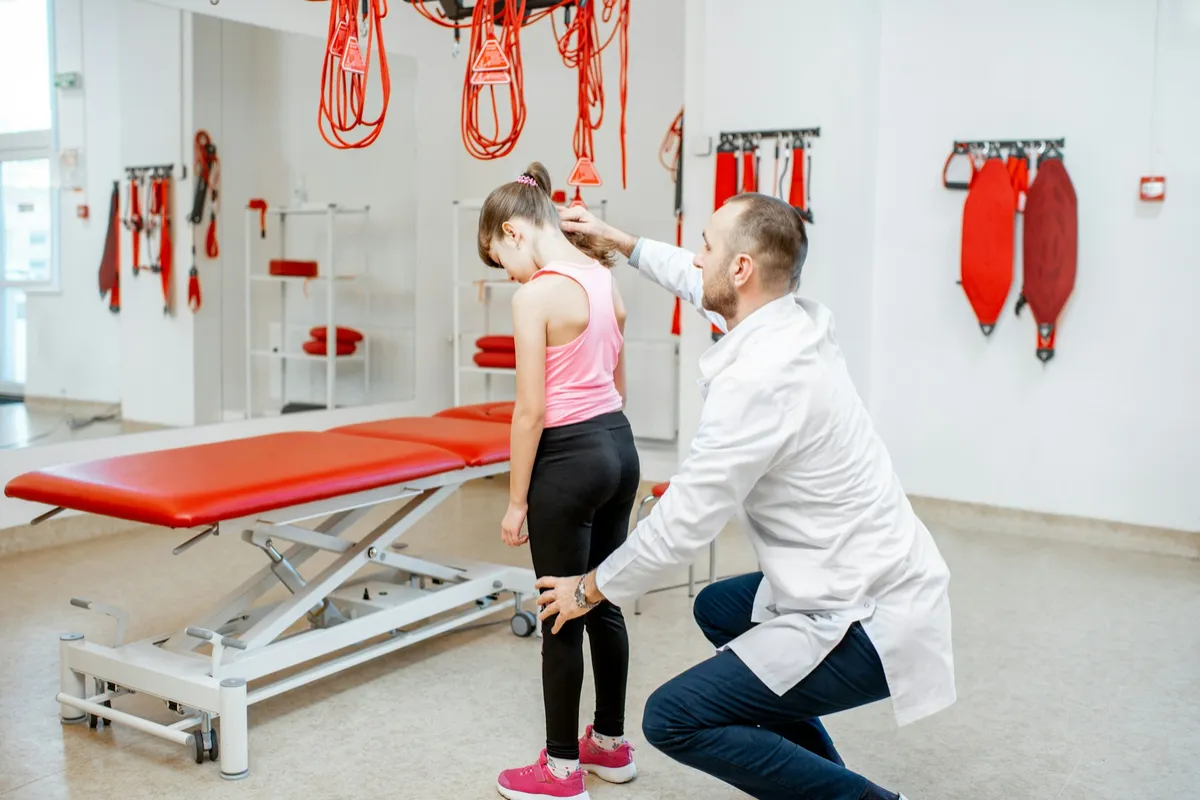
These clues can suggest there is extra stress on the spine or nervous system. A paediatric-focused chiropractor uses gentle, age-appropriate checks to look at posture, range of motion, and how your child moves. This often feels playful, with simple movements like bending, turning, walking, or balancing, so kids usually relax quickly.
Behavioural and School-Related Signs to Watch
Nervous system stress does not only live in the body; it often shows up in how a child feels and acts. When the body is working hard to adapt, kids can seem “on edge” or worn out.
Behaviour changes you might notice include:
Irritability or frequent “meltdowns,” often later in the day
Trouble winding down to sleep or staying asleep
Difficulty waking up and getting going in the morning
Seeming tense, wound up, or extra sensitive to noise or touch
School-related clues can include:
Difficulty sitting still or constant fidgeting at the desk
Poor focus, daydreaming, or needing instructions repeated
Avoiding reading, writing, or homework that involves sitting
Saying they feel “tired” or “wired” after school, with no clear reason
These patterns are never a diagnosis on their own, and many factors can play a role. Families who choose chiropractic for children in Vancouver sometimes share that, when their child’s nervous system feels more at ease, schoolwork, focus, and daily routines seem to feel smoother. The goal is not to label a child, but to support their body so they can handle daily demands with a bit more ease.
When Sports, Screens, and Fall Routines Add Extra Strain
As local fall activities ramp up, kids’ bodies often work double time. Hockey, soccer, dance, martial arts, and other sports bring great benefits, but also more repetitive strain and bumps. Even “minor” falls or twists can create areas that move less freely.
At the same time, cooler, darker days in Vancouver usually mean:
More evenings spent indoors on tablets, phones, or TV
Homework done hunched over at the kitchen table or on the couch
Heavy backpacks packed with books, shoes, and lunches
Longer periods of sitting with fewer movement breaks
Over time, these habits can affect spinal alignment, muscle balance, and how the body carries stress. Gentle, neurologically focused chiropractic care can help active kids:
Recover from minor strains more comfortably
Move more efficiently, with better joint motion
Handle the demands of both school and sport with less tension
The aim is to support their body so they can enjoy what they love, instead of constantly feeling tight, sore, or worn down.
What a Gentle Paediatric Chiropractic Visit Is Really Like
Many parents feel curious but cautious about chiropractic care for their child, especially if they picture strong twisting or loud cracking. Neurologically focused care for kids is very different.
A typical first visit often includes:
A detailed health history, including pregnancy and birth
Questions about milestones, injuries, illnesses, and current concerns
A chat about your child’s routines, sleep, school, and activities
Time for you to share your goals and questions
Assessment is child-friendly and relaxed. At West 1st Chiropractic, we may:
Check posture from different angles
Watch your child walk, bend, or do simple movements
Perform gentle neurologically focused checks or scans, when appropriate
Use very light hands-on assessment, always adapted to age and comfort
If an adjustment is recommended, it is extremely gentle. For many children, it feels like:
Light, specific pressure on a joint or muscle
Soft touch, often less pressure than you use to check if a tomato is ripe
Sometimes a small handheld instrument that gives a quick, gentle tap
There is no forceful twisting, and many kids are surprised by how easy it feels. Chiropractic for children in Vancouver is meant to work alongside your paediatrician and other providers, as part of a broader plan for your child’s health.
Taking the Next Step for Your Child This Fall
As you think about your child, it can help to reflect on the clues we have shared. Do you notice patterns in how they stand, walk, sit, sleep, or handle school and activities? You might spend a week observing and jotting down what you see.
Helpful things to note include:
Photos of posture from the front, side, and back
When complaints like headaches or tummy aches show up
Which activities they avoid or struggle with
How they fall asleep and wake up
Any changes teachers mention about focus or comfort in class
Bringing these notes to a qualified paediatric chiropractor can give a clearer picture of how your child’s spine and nervous system are working. At West 1st Chiropractic in Vancouver, we provide gentle, neurologically based care tailored to your child’s age, activities, and fall routine, so they can move, learn, and grow with comfort and confidence.
Support Your Child’s Healthy Growth With Gentle Chiropractic Care
If you are considering chiropractic for children in Vancouver, we are here to answer your questions and guide you through each step. At West 1st Chiropractic, we take the time to understand your child’s needs and tailor care to support their comfort and development. Reach out to our team today through our contact page to schedule a visit or request more information.