
Back-to-School Backpack Posture Tips for Kitsilano Families
Start the School Year with a More Comfortable Carry
A well-fitted backpack can make busy school days more comfortable for growing bodies. For Kitsilano families, late summer often brings new supplies, longer walks, bike rides, transit trips, and bags that seem to fill up overnight. Those daily carries can add strain when a backpack is too heavy, too loose, or worn on one shoulder.
Good backpack habits are not about chasing “perfect posture.” We encourage families to focus on comfort, free movement, and reducing extra stress on muscles and joints. These backpack posture tips Kitsilano parents can use cover weight, fit, packing habits, warning signs, and when a check may be helpful.
Choose a Backpack Weight Kids Can Manage
As a general guide, we suggest aiming for a loaded backpack that is roughly 10% to 15% of a child’s body weight, with the lighter end of that range being preferable whenever possible. Remember to count everything that goes into the bag, not only textbooks. A lunch container, water bottle, laptop, sports gear, art supplies, and bulky binders can add up quickly.
A bag that seems fine while standing in the kitchen may feel very different after a walk home from school, a bus ride, or a stop at the park. Children may also have changing loads throughout the week, so it is worth checking the bag regularly during the first few weeks of school.
To help reduce unnecessary weight, we recommend:
Packing only the materials needed for that day
Choosing lighter school supplies when there is an option
Using a refillable water bottle when appropriate
Asking whether some books or materials can stay at school
Doing a quick lift test before leaving home
Ask your child to pick up the backpack with both hands. If it feels awkward, very heavy, or difficult to lift, take a look inside together. Small changes to what they carry can make daily routines feel easier.
Fit the Backpack to Support Daily Posture
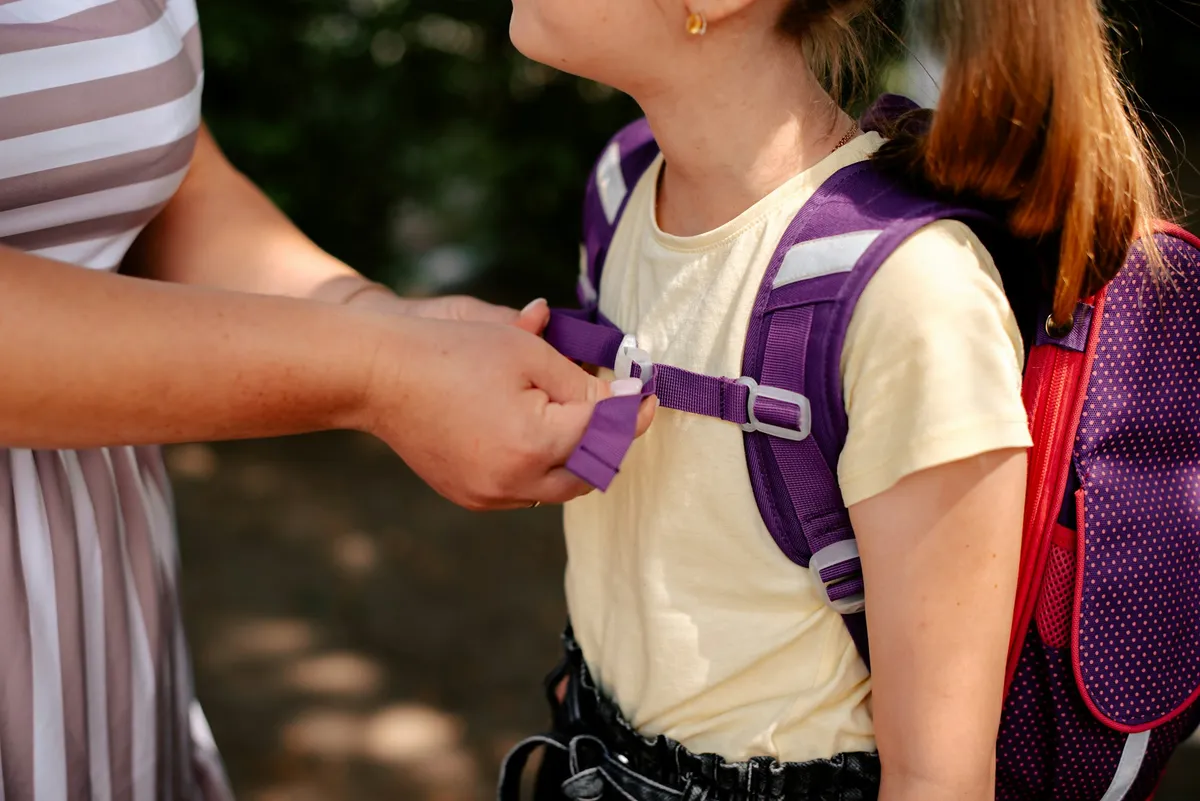
Backpack design matters, but fit matters just as much. We recommend choosing a bag with two wide, padded shoulder straps and a padded back panel. A chest strap can help keep the shoulder straps in place, while a waist strap may be useful for a larger or heavier bag.
Using both shoulder straps helps spread the load more evenly across the body. Carrying a bag over one shoulder may seem quicker, especially when children are rushing out the door, but it can cause the bag to shift and may lead them to lean or twist while walking.
A properly adjusted backpack should sit close to the body around the middle of the back. It should not hang low over the hips or bottom. Straps should feel snug enough that the bag does not bounce around, but not so tight that they dig into the shoulders.
During back-to-school shopping, have your child try on a backpack while it is lightly loaded. These backpack posture tips Kitsilano families can use in the store may help you spot a poor fit before the school year begins. Once the bag is packed, place heavier items closest to your child’s back, use the compartments to stop contents from shifting, and avoid attaching heavy items to one side.
Watch for Signs a Backpack May Be Causing Strain
Children do not always mention discomfort, especially when they are busy with classes, friends, sports, and after-school activities. Instead, changes in how they carry their bag may offer useful clues. A backpack that is too heavy or poorly fitted can be hard to manage, even if a child is used to carrying it every day.
Signs worth noticing include:
Red marks or deep impressions from shoulder straps
Leaning forward while walking with the backpack
One shoulder sitting higher than the other
Frequent shifting, tugging, or readjusting of the bag
Avoiding both straps or refusing to wear the backpack properly
It is also helpful to notice recurring neck discomfort, shoulder soreness, upper or lower back pain, headaches, or fatigue after carrying the bag. These concerns can have different causes, so we consider them in the context of your child’s daily movement, activities, and overall comfort.
Rather than waiting for a complaint, ask simple questions after school. Does the backpack feel heavy? Do they carry it on one shoulder? Does discomfort show up on the walk home? Does it improve on weekends? Early changes to fit, packing, or routines can help make carrying school items more comfortable.
Know When a Pediatric Chiropractor in Kitsilano Can Help
A persistent change in posture, repeated discomfort, headaches, or pain that affects school, sleep, sports, or usual activity may be a reason to consider an assessment. We also encourage prompt medical care for severe pain, pain after a significant fall or injury, numbness, weakness, fever, or other concerning symptoms.
When families visit us for pediatric care, we can look at a child’s movement, posture, daily activities, backpack habits, and musculoskeletal concerns. Gentle, individualized care can include practical guidance based on what the child is carrying and how their regular routines may be affecting comfort.
Parents often have useful details to bring to a pediatric chiropractor in Kitsilano, including questions about backpack fit, walking routes, sports bags, bike rides, and school desk habits. Growing bodies and active schedules change quickly, so it can be helpful to look at the whole picture instead of focusing on the backpack alone.
Check in Before Routines Get Busy
Before the first full week of classes, take a moment to check that your child’s backpack is manageable and adjusted properly. A lighter load, both shoulder straps, heavier items placed close to the back, and regular strap adjustments are simple habits that can support a more comfortable school routine.
Pay attention to changes in posture, energy, or comfort as September gets underway. Consistent backpack posture tips Kitsilano families can follow may help children carry what they need while staying ready for class, activities, and everyday movement.
Support Comfortable Movement This School Year
At West 1st Chiropractic, we help families address movement and comfort concerns with care tailored to growing bodies. If you would like guidance from a pediatric chiropractor in Kitsilano, our team is here to discuss your child’s needs. Contact us to arrange an appointment and ask any questions.